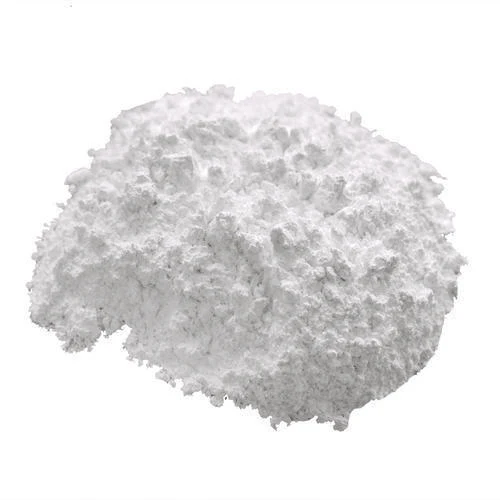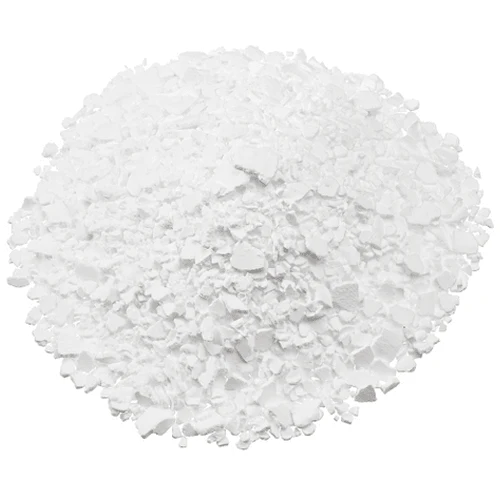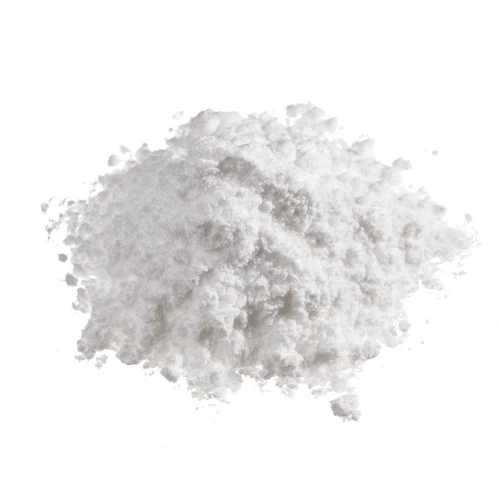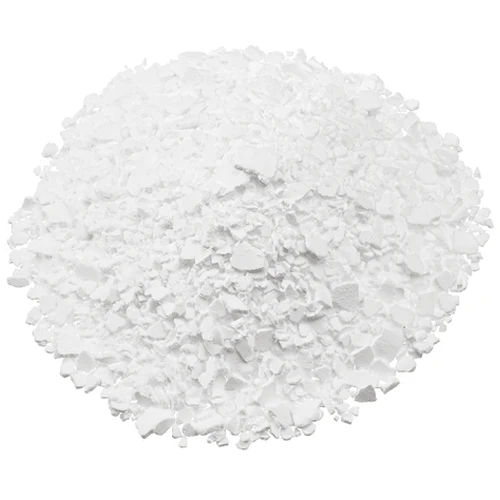
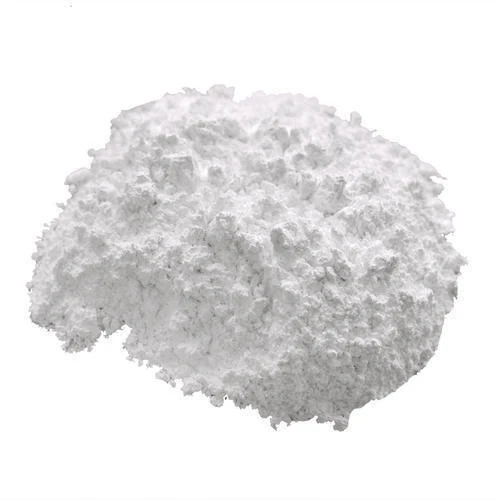
Calcium Hydroxide (Slaked Lime) - 500g
Raises Residual Alkalinity and mash pH
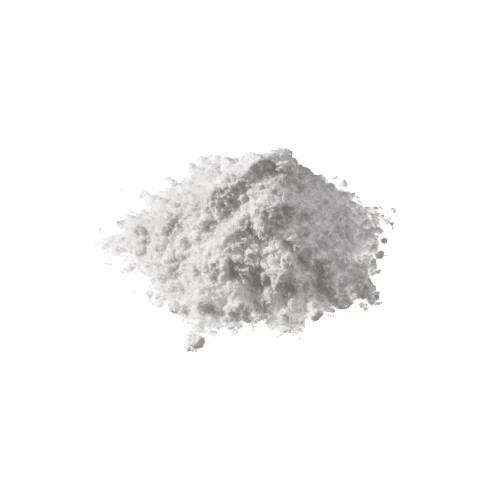
Also known as Pickling or Slaked Lime, it is primarily used in the brewing industry to increase the residual alkalinity of brewing water in the mash / fermenter.
Performing a carbonate reduction involves adding slaked lime or "pickling lime" to the water. The problem with this method is that you must calculate the amount of lime to add carefully, and it must be added gradually while monitoring the pH carefully to avoid creating very alkaline water from excess hydroxide.
We would highly recommend using BrewFather for your water calculations as Calcium Hydroxide is a mainstay in the water profile analysis section.
Calcium (Ca)
Calcium is the primary ion determining the “permanent hardness” of the water. Calcium plays multiple roles in the brewing process including lowering the Ph during mashing, aiding in precipitation of proteins during the boil, enhancing beer stability and also acting as an important yeast nutrient. Calcium levels in the 100 mg/l range are highly desirable, and additives should be considered if your water profile has calcium levels below 50 mg/l. The range 50mg/l to 150 mg/l is preferred for brewing.
Original: $6.95
-70%$6.95
$2.08Product Information
Product Information
Shipping & Returns
Shipping & Returns
Description
Raises Residual Alkalinity and mash pH
Also known as Pickling or Slaked Lime, it is primarily used in the brewing industry to increase the residual alkalinity of brewing water in the mash / fermenter.
Performing a carbonate reduction involves adding slaked lime or "pickling lime" to the water. The problem with this method is that you must calculate the amount of lime to add carefully, and it must be added gradually while monitoring the pH carefully to avoid creating very alkaline water from excess hydroxide.
We would highly recommend using BrewFather for your water calculations as Calcium Hydroxide is a mainstay in the water profile analysis section.
Calcium (Ca)
Calcium is the primary ion determining the “permanent hardness” of the water. Calcium plays multiple roles in the brewing process including lowering the Ph during mashing, aiding in precipitation of proteins during the boil, enhancing beer stability and also acting as an important yeast nutrient. Calcium levels in the 100 mg/l range are highly desirable, and additives should be considered if your water profile has calcium levels below 50 mg/l. The range 50mg/l to 150 mg/l is preferred for brewing.